
Phycomycism

The religion I might have just created.

It began with a stubborn swimming-pool algae bloom, a podcast about the stoned ape theory, and the uncomfortable realization that pond scum has been around a hell of a lot longer than we have.

Pronounced: FYE-koh-MYE-siz-um 🍄

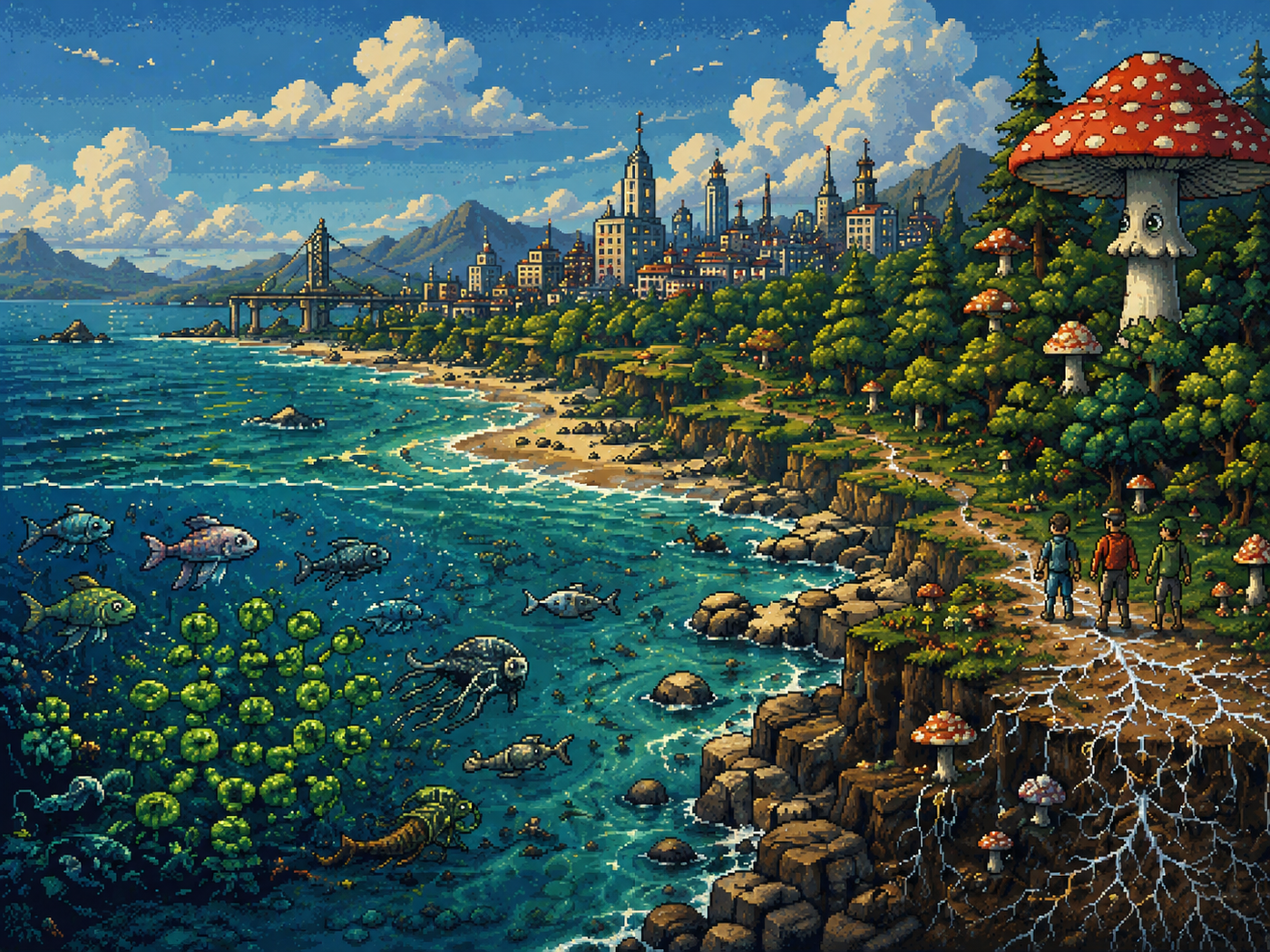
A coastal world connecting ocean life, mycelium, mushrooms, people, and a distant city

“We are not separate from nature. We are part of the system.”

Quick disclaimer:
This is mythology, philosophy, ecological musing, and a joke that got significantly out of hand. It is not presented as science.

The basic idea

We are part of the system.

Nature is not a place we go. It is the thing we are currently happening inside of.

Separation creates imbalance.

The more we imagine ourselves as independent from the rest of life, the easier it becomes to treat everything else as a resource.

Connection matters.

Life works through relationships, dependencies, exchanges, cycles, and networks whether we acknowledge them or not.

ChatGPT Image Sep 6, 2026, 12 33 11 PM

I’m Not Trying to Raise Obedient Kids

I’m Not Trying to Raise Obedient Kids looks at punishment, trust, and authority through the lens of parenting—and asks what kind of adults we’re actually trying to raise. If the goal is kids who can think critically, recognize injustice, repair harm, and be trusted with increasing freedom, then punishment can create the wrong incentives. A Phycomycist approach asks a different question: not just whether a consequence works, but what problems it leaves behind—and whether those are better problems than the ones we started with.

Read more
better problems 1
Doctrine

Phycomycism and The Pursuit of Better Problems

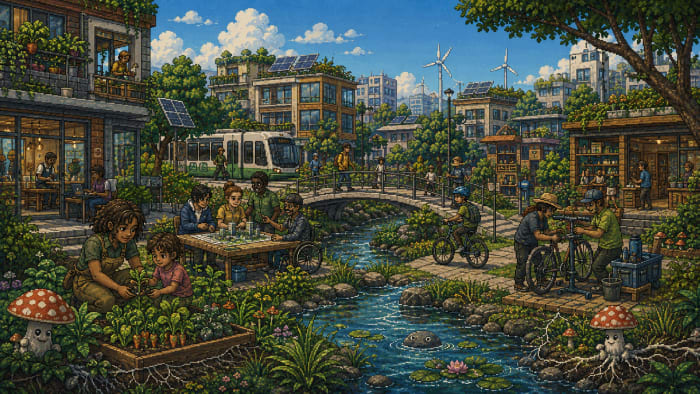
Phycomycism doesn’t promise a perfect world. It asks us to stop using the impossibility of utopia as an excuse for accepting unnecessary suffering, and instead work toward a world with better problems—less harm, more dignity, and tradeoffs actually worth having.

Read more
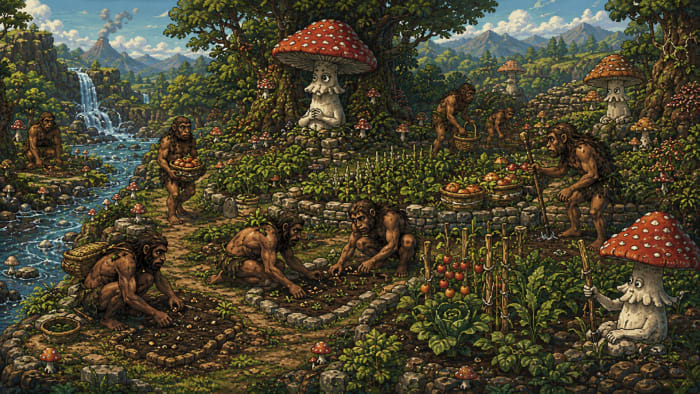
Gardeners of Balance — early human gardeners cultivating food while giant mushrooms supervise
Doctrine

The Myth of Separation

We call nature something we visit, send consequences “away,” and treat people far from us as though they inhabit a different world. Phycomycism argues that all three ideas come from the same mistake.

Read more