Writings from Phycomycism
Phycomycism | The Pursuit of Better Problems
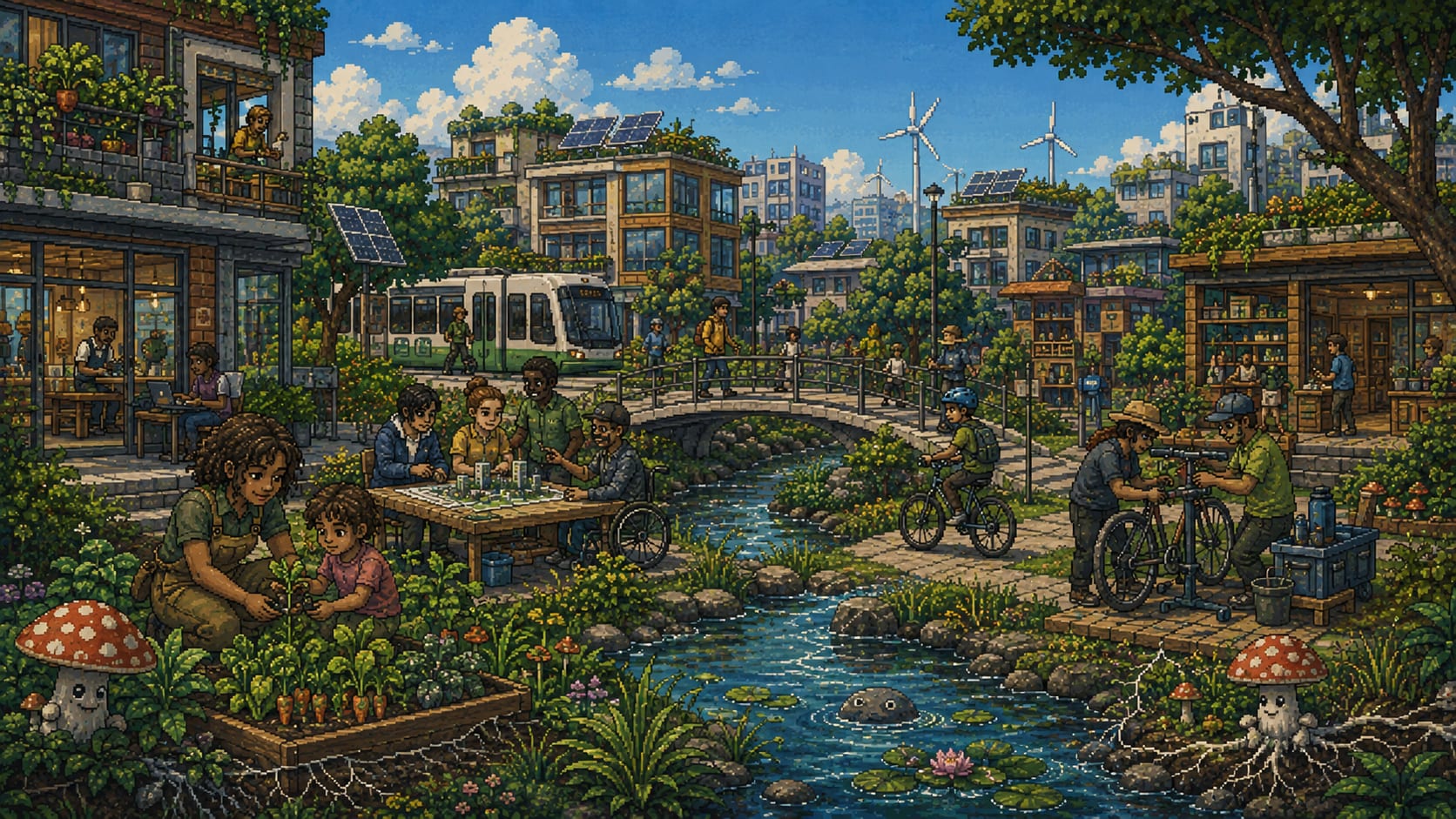
There’s something about nature that feels perfect. A sunset over a Midwestern skyline that looks like an Edward Hopper painting feels pretty close to perfect. Hiking over a sand dune to the grandeur of Lake Michigan feels pretty close to perfect. A crisp October morning just before the sun rises feels pretty close to perfect. But perfect is a myth.
Even as humans became civilized and began viewing ourselves as separate from nature, we didn’t lose our reverence for the beauty and force of what we came to call nature. Over generations, that reverence became idealized and demonized and tangled up in this concept we call “perfection.”
But perfection isn’t real. It is an abstract ideal rendering of a thing. Plato’s cave and all of that. Everyone agrees the thing exists, but we all conceptualize the ideal differently. And then we fight and argue about how to achieve perfection and whether it’s achievable at all and, in the process, we refuse to make things better… which only makes things worse.
In Phycomycism, we don’t pursue utopian perfection. We pursue a world with better problems.

A World with Better Problems
A common misconception about Phycomycism is that the pursuit of balance requires perfect unity and harmony in thought and opinion. But that is antithetical to the concept of Phycomystic balance. The Earth has never been without conflict or problems. Before the Age of Mycelium, Algae had a problem with getting onto land. Long before The Severance, the cycles of destruction and renewal were already well established in nature. Storms raged. Fires burned. Land regenerated — sometimes as it had looked before, and sometimes different. Food sources dried up. Rivers ran dry. Populations ebbed and flowed.
The system maintained balance, but balance never meant the absence of disruption, death, competition, scarcity, or change.
Because perfection isn’t real.
Phycomystic balance is about pursuing a world with better problems.
Better problems, like:
- Arguing over how to fund excellent public services is a better problem than fighting about who gets none and why that’s okay.
- Figuring out how to spend increased leisure time is a better problem than people working themselves sick and still not having enough.
- Debating the side effects of abundant clean energy is a better problem than continually destabilizing the climate to maintain a status quo.
When we constantly seek perfection, we can only ever come up short and live with a constant sense of conflict. When we seek a world with better problems, we have a direction to move in even when there is no perfect destination.
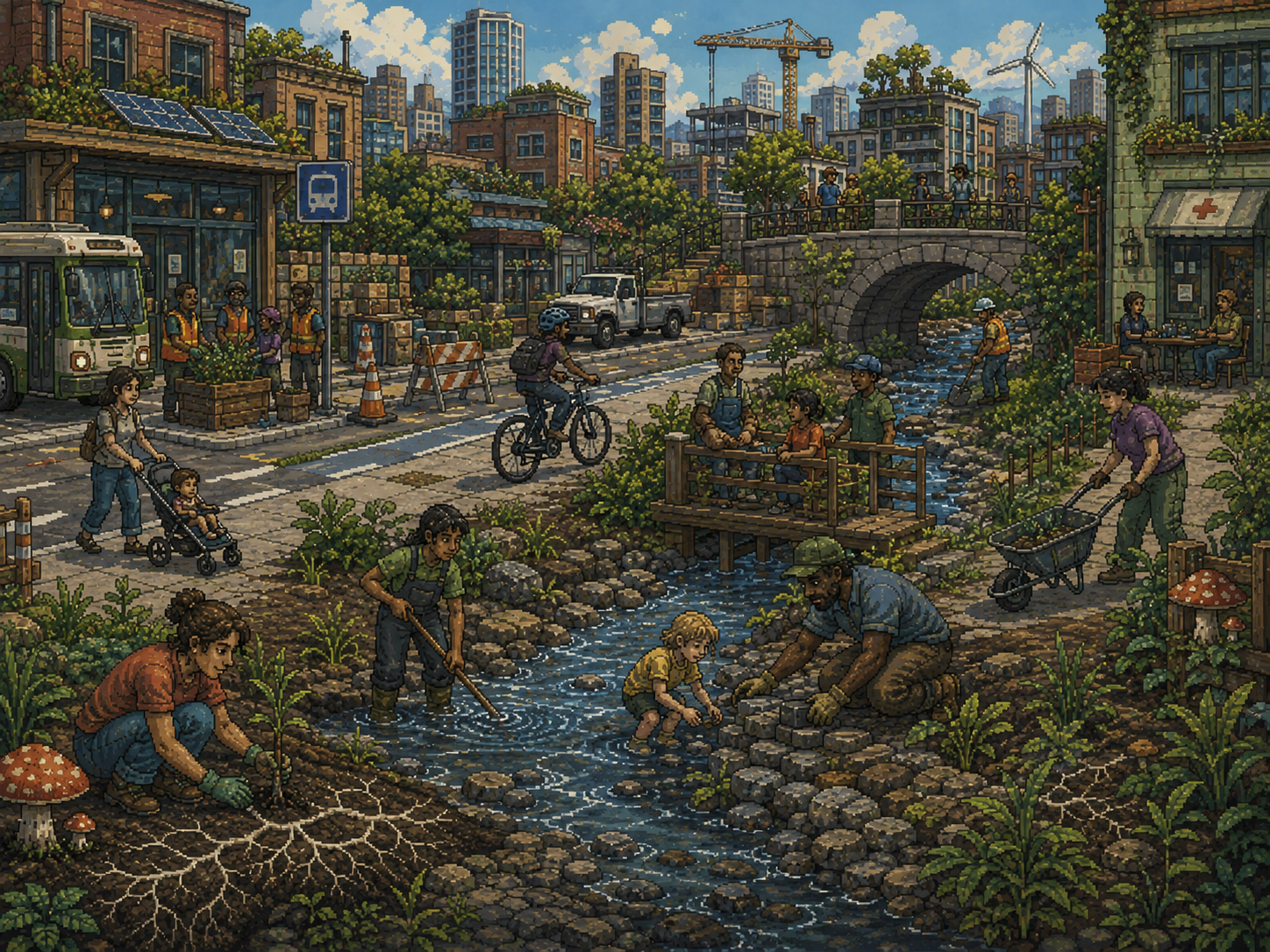
What Is a Better Problem?
A “better problem” is one that looks holistically at the roots, the stem, the fruit, the consequences, and everything in between.
Better problems mean less suffering, less coercion, fewer costs dumped on people who didn’t choose them, more room for human dignity, and a healthier overall system.
Better does not necessarily mean easier, more comfortable, or more advanced. Sometimes a better problem may be harder. It may require more thought, more cooperation, or more sacrifice. What matters is whether, when we widen the frame, the system is actually better off.
As long as humanity exists, there will always be tradeoffs. Phycomystics can disagree about which problems are better and which to tackle first. Arguing about how to improve life after basic needs are secured is itself a better problem than arguing about whether people should have those needs met at all.
We are not pursuing a world without problems.
We are pursuing problems worth having.
Go in balance. Stay connected. And be a fun guy. 🍄